The Art of Mandala: Tropical Leaves and Circular Lace Ornaments in Digital Design
Mandala art has captivated creators and viewers for centuries with its intricate symmetry, spiritual depth, and meditative beauty. In contemporary design, the fusion of organic motifs like tropical leaves with the structured elegance of circular lace ornaments has opened new creative possibilities. This article explores the world of mandala art featuring tropical leaves and circular lace patterns, the digital file formats that make them accessible, and the many ways you can use these designs in your own projects—whether you are a hobbyist, small business owner, or experienced maker.
Understanding Mandala Art: A Blend of Nature and Geometry
At its core, a mandala is a geometric configuration of symbols arranged in a circular pattern. The word "mandala" comes from the ancient Indian language of Sanskrit, meaning "circle." Traditionally used in Hindu and Buddhist cultures for meditation and ritual, mandalas represent the universe, wholeness, and harmony. Over time, mandala designs have evolved into a beloved decorative motif in everything from home décor to tattoo art.
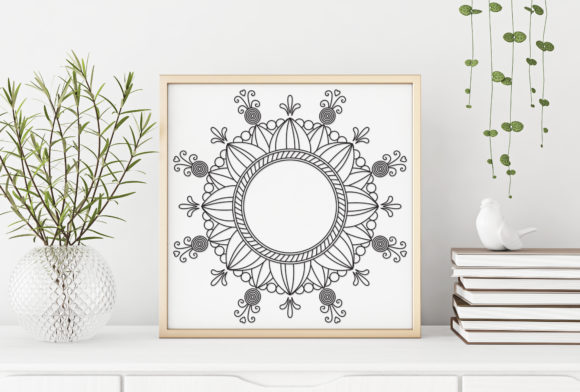
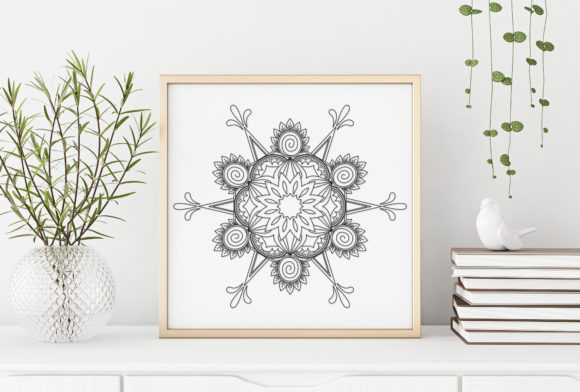
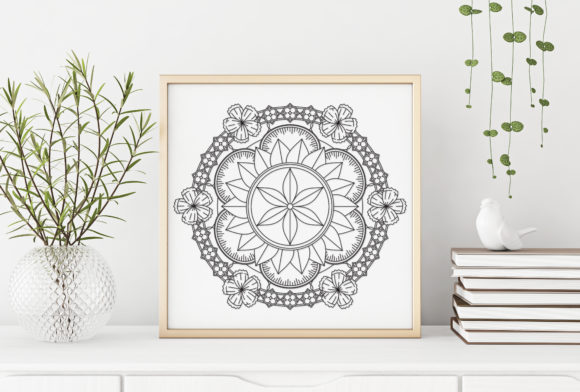
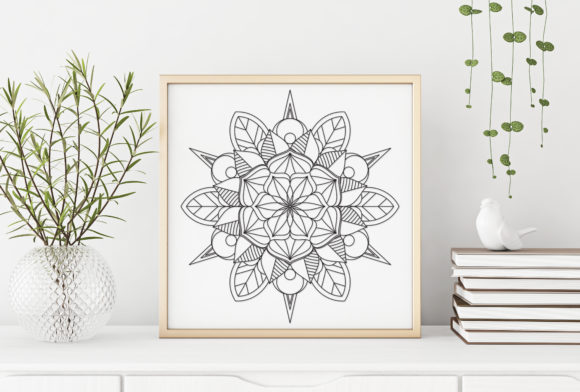
What makes mandala art so powerful in modern design is its ability to create a focal point that naturally draws the eye. The repetition of shapes and patterns around a central point creates a sense of balance and flow. When you introduce tropical leaves—such as monstera, palm fronds, or fern leaves—into a mandala, you bring an organic, living energy to the structured geometry. The contrast between the rigid symmetry of the circular lace ornament and the flowing, asymmetrical curves of leaves creates a visually striking result that feels both timeless and fresh.
Why Tropical Leaves and Circular Lace Work So Well Together
Tropical leaves evoke feelings of warmth, growth, and exotic beauty. They are associated with relaxation, vacation, and nature's abundance. When these leaves are woven into a circular lace ornament, the design gains a rhythmic quality that mirrors the natural world. The lace elements add delicacy and intricacy, while the leaves provide a bold, recognizable silhouette. Together, they produce a design that can be both elegant and playful, depending on how you use it.
This kind of mandala is not just a decoration; it is a visual story. The circle represents unity and continuity, the lace adds complexity and texture, and the tropical leaves bring a sense of place and season. Whether you are looking for a design to print on a shirt, engrave into wood, or use as a tattoo stencil, this combination offers extraordinary versatility.
The Digital Files: Understanding SVG, DXF, PNG, and EPS
For anyone working with digital design or cutting machines, understanding the different file formats is essential. The mandala tropical leaves and circular lace ornament design is available in several formats, each suited for a specific purpose. Let's break them down so you can choose the right one for your project.
SVG Files – The Standard for Cutting Machines
SVG stands for Scalable Vector Graphic. This format is widely used for designs that need to be resized without losing quality. SVG files are ideal for use with cutting machines such as Cricut Design Space, Silhouette Studio (both basic and Designer Edition), CorelDRAW, Adobe Illustrator, Inkscape, Making the Cut, and Sure Cuts A Lot. They are also compatible with other vinyl cutting machines and software. Because SVG files store the design as mathematical paths, you can scale the mandala up for a wall decal or down for a tiny sticker without any pixelation. This makes SVG the go-to choice for precision cutting projects.
DXF Files – Versatility for Silhouette and CNC Machines
DXF stands for Drawing Exchange Format. Originally developed by Autodesk, DXF files are widely used for CAD (computer-aided design) applications. One of the key advantages of the DXF format is that it works with Silhouette Studio even without the Designer Edition upgrade. This makes it accessible to users on a budget. Additionally, DXF files are ready for CNC machines, including plasma cutters, laser cutters, and water jet cutters. If you plan to engrave the mandala into wood, acrylic, or metal, the DXF format is your best friend.
EPS Files – For Professional Print and Vector Editing
EPS (Encapsulated PostScript) is another vector format that is widely supported in professional design software. It works seamlessly with Adobe Illustrator, CorelDRAW, and other vector editors. EPS files are excellent for high-end printing, large-format graphics, and detailed editing. They preserve all the layers and paths of the mandala, making it easy to customize the design if you want to change colors, add elements, or adjust the layout.
PNG and JPG Files – For Printing and Sublimation
PNG and JPG are raster formats (made of pixels). The PNG files in this set come at 300 DPI (dots per inch), which is the standard for high-quality printing. PNG supports transparency, making it perfect for layering designs on different backgrounds, such as t-shirts, mugs, or canvas. JPG files also at 300 DPI offer a compressed option that still delivers crisp results for many printing projects. Both formats are ideal for sublimation printing, which is a popular method for transferring full-color designs onto polyester fabrics and hard surfaces.
Practical Ideas for Using Your Mandala Design
The versatility of this mandala tropical leaves and circular lace ornament cannot be overstated. Here is a comprehensive list of ways you can incorporate it into your creative projects.
- Wood carving – Use the DXF or SVG file with a laser engraver or CNC router to create stunning wooden plaques, coasters, or decorative panels.
- Tattoo art – The intricate lines and natural motifs make this design an excellent choice for a tattoo stencil. You can use the SVG or EPS file to adjust the size and detail level.
- Stickers and labels – Print the PNG or JPG onto sticker paper, or cut the design from vinyl using your Cricut or Silhouette. Perfect for laptops, water bottles, and journals.
- Pattern for scrapbooking – Use the design as a background pattern, a border, or a focal element in your scrapbook pages.
- Printed on shirts and mugs – Sublimate or screen print the design onto apparel and drinkware. The high-resolution PNG and JPG ensure a crisp, professional look.
- Art print and canvas – Enlarge the design for a wall art print. The vector formats allow you to scale it to poster size without losing any detail.
- Phone case and bag – Add the mandala to fabric bags or phone cases using heat transfer vinyl or sublimation.
- Invitation cards and banners – The elegant lace quality makes it ideal for wedding invitations, birthday cards, and celebration banners.
- Coloring page – Print the JPG or PNG on paper and use it as a relaxing coloring activity for adults and children alike.
- Book covers – Use the design as a cover art for notebooks, journals, or planners.
- Accessories and luxury design – The sophisticated look suits high-end packaging, gift tags, and premium product branding.
How This Design Fits into Modern Creativity and Business
Whether you are a small business owner looking to expand your product line or a creative enthusiast exploring new hobbies, this mandala design offers a low-cost, high-impact resource. Because the files are digital, you can use them repeatedly across different mediums. One purchase of the digital product gives you the freedom to create dozens—or even hundreds—of unique items.
For businesses, this design can be a signature element that sets your brand apart. Consider using it as a repeating pattern for fabric, wrapping paper, or wallpaper. You can also offer custom products, like personalized coffee mugs or engraved cutting boards, with this mandala as the centerpiece. The fact that the design is isolated on a white background makes it easy to integrate into any layout or color scheme.
Clarifying Common Misunderstandings About Vector and Raster Files
Many beginners get confused about when to use vector versus raster files. Let's clarify: use SVG, DXF, and EPS (vector formats) whenever you need to cut, engrave, or scale the design to a very large size without losing quality. Use PNG and JPG (raster formats) for standard printing, web use, or when you need a transparent background (PNG).
Another common question is whether you need special software to open these files. You do not need expensive software for every format. For example, Inkscape is a free and powerful vector editor that handles SVG and EPS. Silhouette Studio (free version) works well with DXF. For PNG and JPG, any basic image viewer or editor will work. This accessibility makes the design usable for creators at every skill level.
Why This Mandala Design Works for Beginners and Experts Alike
If you are new to digital crafting, the included files take the guesswork out of design. You do not need to draw the mandala yourself—you have a ready-to-use, professional-grade pattern at your fingertips. The high resolution (300 DPI) ensures that even your first print or cut will look polished. As you gain experience, you can start customizing the design in vector software, adjusting the leaf shapes, adding colors, or combining multiple mandalas into a larger composition.
For experienced makers, the value lies in the precision and compatibility. The SVG and DXF files are clean and well-structured, with clearly defined paths that cut smoothly on laser and vinyl machines. The EPS file retains layers, making it easy to separate elements for multi-color projects. And because the design is isolated on a white background, you can drop it into any project without extra editing work.
Enhancing Your Understanding of Mandala Design Principles
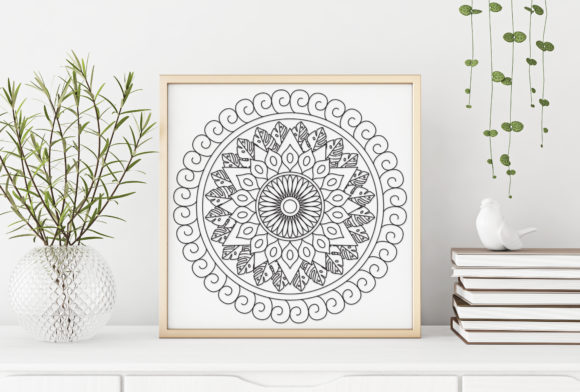
To get the most out of this design, it helps to understand a few principles of mandala composition. The center of the mandala is typically the focal point. From there, patterns radiate outward in concentric layers. In this tropical leaves and lace ornament design, the lace elements often occupy the inner and middle rings, while the leaves extend outward, creating a natural frame. This structure ensures the eye moves smoothly from the center to the edges, giving the design a dynamic yet calming rhythm.
When you use the design on physical products, consider the color palette. A monochromatic look—like white-on-black or gold-on-cream—emphasizes the intricate lines. Alternatively, you can use vibrant tropical colors to highlight the leaf motifs. The design works beautifully in both cases because the underlying geometry is so strong.
Conclusion
Mandala art that combines tropical leaves with circular lace ornaments is more than a pretty pattern—it is a versatile tool for creative expression, business growth, and personal enjoyment. The availability of SVG, DXF, EPS, PNG, and JPG files ensures that anyone with a cutting machine, a printer, or a CNC tool can bring this design to life. From wood carving and tattoo art to shirt prints and home décor, the possibilities are nearly endless.
Whether you are just starting your creative journey or you are a seasoned maker looking for a reliable, beautiful design, this mandala offers both aesthetic appeal and practical utility. By understanding the file formats, exploring the many use cases, and appreciating the design's underlying harmony, you can unlock its full potential. Let the symmetry of the circle and the vitality of tropical leaves inspire your next project.