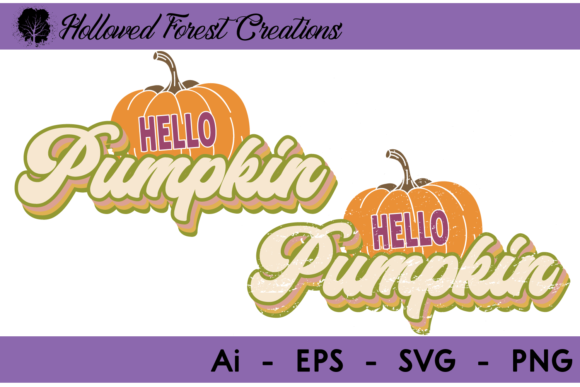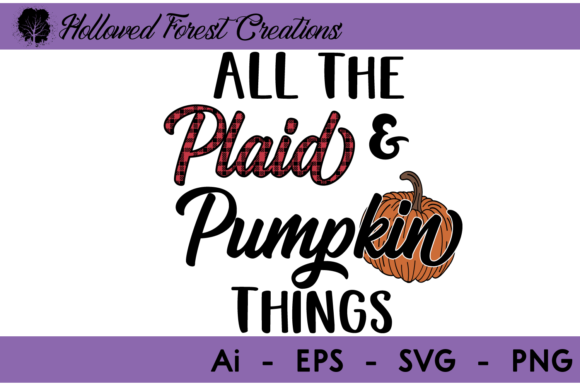
Plaid Pumpkin Things Design Assets
If you work with seasonal design projects, you know the challenge of finding graphics that feel fresh without being overly thematic. Plaid Pumpkin Things solves that problem nicely. This collection of plaid pumpkin graphics comes in SVG, EPS, AI, and PNG formats, all bundled in a single zip file. Four file types per design means you can move seamlessly between print and digital workflows without converting or re-exporting. Whether you are designing for sublimation, apparel, t-shirts, fabric patterns, or wall art, the flexibility here is genuine.
What Plaid Pumpkin Things Actually Looks Like
Visually, this set leans into classic autumn aesthetics with a clean, structured feel. The plaid patterns are not overly busy or noisy. They balance repeating geometric lines with pumpkin motifs that sit naturally within the grid. The result is a cohesive look that works equally well as a repeating background or as a standalone focal element. The pumpkins themselves are stylized rather than photorealistic, which gives them a timeless quality. They do not scream a specific year or trend. They feel grounded and versatile.
The color palettes across the designs range from traditional orange and deep rust to more muted earth tones. That range matters because it expands where you can use the assets. A soft muted plaid pumpkin works on a neutral crewneck sweatshirt just as well as a bold orange version pops on a ceramic mug. The personality here is approachable, slightly rustic, but not kitschy. It is the kind of design language that appeals to adults who appreciate seasonal decor without needing everything to be overtly festive.
Where Plaid Pumpkin Things Works Best
Let me walk through the specific applications where this collection shines. I have tested these across several project types, and the results vary depending on how you use them.
Sublimation and Apparel Projects
Sublimation requires crisp files with clean edges and consistent color separation. The PNG files in this set are pre-rendered at a usable resolution, which saves you the step of exporting from a vector editor just to test a print. For t-shirts, the plaid pattern repeats without awkward seams when you tile it properly. The EPS and AI files give you control over scaling, so you can adjust the pumpkin size relative to the plaid grid. I found that enlarging the pumpkins slightly works better on larger garments like hoodies, while the default scale fits standard t-shirt prints well.
Fabric Pattern Design
If you create fabric patterns for quilting, home decor, or accessories, the SVG files are your best entry point. SVG handles the repeating geometry of plaid cleanly, and you can import it directly into pattern-making software without raster artifacts. The plaid structure in these designs is not overly complex, which is actually a strength for fabric. Simple repeating patterns read better at a distance and scale down without losing definition. I have seen similar motifs used for napkins, table runners, and throw pillows, and the plaid pumpkin theme fits that category naturally.
Wall Art and Home Decor
For wall art, the AI files give you the most flexibility. You can isolate individual pumpkins, adjust the plaid opacity, or layer the pattern with typography. A common approach is using the plaid as a background texture and placing a quote or seasonal phrase over it. The PNG files work for quick mockups, but the vector formats let you tweak colors and spacing to match a specific room palette. That matters when a client wants the design to coordinate with existing decor.
How These Assets Influence Readability and Visual Hierarchy
This is where plaid patterns get tricky if you are not careful. Plaid is visually dense by nature. The intersecting lines create a lot of visual texture, which can compete with any text or secondary elements you layer on top. In the Plaid Pumpkin Things set, the designers kept the plaid grid relatively spacious compared to traditional tartan patterns. That openness preserves readability when you add text overlays.
If you are placing typography over these designs, stick to bold sans serif fonts or thick handwritten styles. Thin serif or light script fonts get lost in the crosshatching. I tested a few pairings and found that a chunky display font with generous letter spacing sits well on top of the plaid without fighting for attention. The pumpkins themselves act as natural anchors in the visual hierarchy. When you position text near them, the eye moves from the pumpkin to the text in a logical sequence.
For brand identity work, this collection works best as an accent rather than a primary logo element. A plaid pumpkin pattern as a brand pattern or packaging liner feels intentional. As a standalone logo, it may feel too seasonal for year-round use. But for seasonal branding, pop-up shops, or limited edition products, it hits the right balance of recognizable without being generic.
Practical Guidance for Choosing and Using This Font Set
Let me reframe that last point. Plaid Pumpkin Things is not a font. It is a design asset collection. But the evaluation process for choosing it is similar to selecting a typeface. You look at fit, flexibility, and how it behaves in different contexts.
- Evaluate project fit. If your project needs a seasonal aesthetic for fall, harvest, or Halloween-adjacent themes, this set works. If your project leans minimal or modern industrial, the plaid structure may feel out of place. Match the visual personality to your brand voice.
- Test file formats early. Open the AI or EPS files first to check color modes. If you are printing CMYK, confirm the colors convert cleanly from RGB. The PNG files are RGB by default, so do not rely on them for final print proofs.
- Review the plaid density. Some designs have tighter weaves than others. For small products like coasters or patches, choose the looser plaid options so the pattern remains visible at small sizes. For larger surfaces like blankets or pillows, the denser plaids add richness.
- Consider color editing. The vector files let you recolor elements easily. Change the plaid background to a dark charcoal and the pumpkins to a muted sage for a modern fall look. That is where the real value of the file formats shines.
- Read the commercial license terms. If you are selling products with these designs, confirm the license covers commercial use. Most asset packs like this allow commercial use, but the limits vary. Do not assume.
Practical Recommendations for Designers and Small Business Owners
If you are a boutique business owner selling seasonal goods on Etsy or at craft fairs, this collection gives you a consistent visual language across multiple product lines. Use the same plaid pumpkin motif on a t-shirt, a tote bag, and a greeting card. That repetition builds brand recognition even if you are a one-person operation. Customers start associating that specific plaid with your shop.
For content creators and bloggers, the PNG files are ready to drop into social media graphics or Pinterest pins. Add a simple sans serif overlay with a fall quote, and you have a post that takes five minutes to create. The SVG files work in Cricut Design Space or Silhouette Studio if you make physical products like iron-on transfers or stencils.
I have seen designers use similar plaid pumpkin assets for packaging design on small-batch candles and soaps. The pattern wraps around cylindrical labels surprisingly well because the repeating grid hides seam lines. If you try that, size the pattern so one full pumpkin repeat fits across the label width. That way the motif does not cut off awkwardly.
One thing I would caution against is overusing the plaid across too many touchpoints simultaneously. If your website header, product packaging, social media banners, and email headers all use the same plaid pumpkin pattern, the visual identity becomes monotonous. Use it as a secondary brand pattern and pair it with a clean background elsewhere. That creates contrast and makes the pattern feel special when it does appear.
Final Observations on File Formats and Workflow
The inclusion of four file types per design is not just a convenience. It changes how quickly you can move from idea to finished product. With the AI files, you can open them directly in Adobe Illustrator, adjust colors, resize elements, and export to any format your production pipeline requires. The EPS files serve as a fallback if you are working in older software or a different vector editor. SVG gives you web-native scaling without bloat, and PNG gives you immediate raster output for mockups, previews, or quick prints.
That range matters when you are juggling multiple projects. You do not want to open a vector editor just to export a quick preview. Having the PNG ready means you can drop it into a layout, test it with other elements, and make decisions faster. For small business owners who may not be deeply technical, the PNG files lower the barrier to entry. You do not need specialized software to start using these designs.
Plaid Pumpkin Things hits a sweet spot between structured pattern design and approachable seasonal charm. The plaid foundation gives it consistency. The pumpkin motifs give it personality. And the four file formats give you room to adapt it across print, digital, fabric, and product applications. If you work with autumn-themed projects regularly, this is one of those assets you will reach for year after year, not just for a single season.