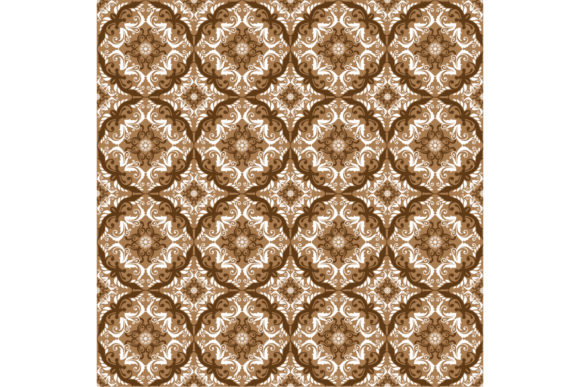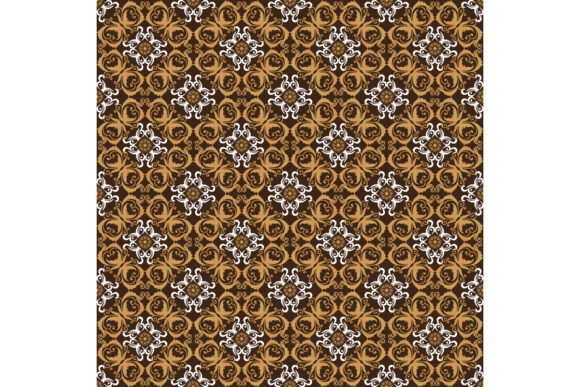
Solo Batik Design: Flower Patterns with Gold Brown Elegance
When you encounter a piece of Solo batik, you are not just looking at fabric. You are looking at a language of motifs, a tradition of craftsmanship, and a palette that somehow feels both timeless and refreshingly modern. The Solo batik design tradition, rooted in the city of Surakarta in Central Java, is known for its distinctive restraint: earthy browns, deep indigos, and creamy whites. Yet within that restrained palette, the flower patterns tell stories. And when gold brown enters the mix, something shifts. The cloth becomes wearable art that works across contexts, from the ceremonial to the contemporary.
This article explores what makes Solo batik design with beautiful flower patterns and a gold brown color blend so compelling, and how you can draw on it for your own creative projects, whether you design textiles, build brand identities, or simply seek fresh visual inspiration.
The defining character of Solo batik design
Solo batik design is distinct from its Javanese cousins. Compared to the coastal boldness of Pekalongan batik or the royal intricacy of Yogyakarta batik, Solo patterns often lean toward a more orderly, philosophical rhythm. The motifs are not arbitrary. Many are rooted in Javanese cosmology, with nature serving as a constant reference. Flowers, leaves, and vines repeat in ways that suggest harmony, growth, and continuity.
What makes the Solo tradition especially interesting is its color orientation. Historically, the sultanate preferred sogan—a natural brown dye derived from tree bark. That brown is not dull. It carries warmth, depth, and a subtle earthiness that pairs beautifully with gold accents. When modern artisans introduce gold brown as a deliberate blend, they create a fabric that feels opulent without being loud. The flower patterns gain a quiet glow.
Why flower patterns work so well in Solo batik
Flowers in Solo batik are rarely meant to be literal. They are stylized, abstracted, and arranged into fields of pattern. A single ceplok motif might repeat a four-petal blossom across the entire cloth, creating a grid that reads as both orderly and organic. The kawung pattern, though technically based on a palm fruit, often reads like a floral medallion. And the semen motif weaves flowers with vines and tendrils, suggesting growth and fertility.
For designers and creators, this matters because floral Solo batik offers a built-in visual structure. You do not need to guess where the eye will go. The repetition creates rhythm. The negative space between motifs becomes as important as the motifs themselves. And when gold brown enters as a background or accent, it lifts the entire composition.
Gold brown as a neutral with power
Gold brown is not a single shade. In Solo batik collections, it ranges from a pale honeyed tan to a deep amber with ochre undertones. This versatility means it can function as a grounding neutral or as a warm highlight. Against the brown, flower patterns in cream, white, or lighter gold stand out clearly. The contrast is gentle, not harsh, which is what makes Solo batik so wearable across different skin tones and settings.
If you are a small business owner or entrepreneur looking to create products with cultural roots and modern appeal, gold brown Solo batik offers a ready-made aesthetic. It suggests heritage without looking costume-like. It feels premium without needing loud branding.
Creative applications for different audiences
The beauty of Solo batik design with flower patterns and gold brown blends is that it moves easily between categories. Here are some ways different creatives and professionals can adapt it.
For fashion designers and stylists
A gold brown Solo batik with floral semen motifs works as a statement piece without overwhelming the rest of an outfit. Consider using it for:
- Tailored blazers with clean cuts, letting the pattern be the focus.
- Midi skirts paired with neutral linen tops for a day-to-evening look.
- Scarves or shawls where the flower pattern wraps around the shoulders.
- Unstructured jackets that feel relaxed but refined.
The key is to let the batik breathe. Avoid competing patterns. Solo batik already carries enough visual interest.
For interior designers and home decor creators
Textiles with gold brown floral batik work surprisingly well in modern interiors. Use them as:
- Throw pillow covers on neutral sofas.
- Table runners for dinner settings that want warmth.
- Wall hangings framed as art, especially when the pattern is large-scale.
- Upholstery for accent chairs in reading nooks or studios.
Because Solo batik patterns are orderly, they do not clash with minimalist furniture. They add texture and narrative to spaces that might otherwise feel sterile.
For graphic designers and brand identity creators
You may not work with fabric at all, but the visual vocabulary of Solo batik can inform digital design. The repetition, symmetry, and layered color relationships translate well into:
- Pattern backgrounds for websites or packaging.
- Icon systems inspired by floral motifs.
- Color palettes built around gold brown, cream, and soft black.
- Brand marks that reference traditional craft without copying it directly.
Study how Solo batik handles scale. A small floral repeat feels delicate and feminine. A large, bold flower pattern feels confident and grounded. Use that thinking when you decide how to apply pattern in your layouts.
For content creators and bloggers
If you create content about culture, design, or craftsmanship, Solo batik offers endless material. You can focus on:
- The symbolism behind specific flower motifs.
- The process of natural dyeing and how gold brown is achieved.
- Styling guides for different occasions.
- Comparisons between Solo batik and other regional styles.
Your audience will appreciate the depth. Do not just show the pattern. Explain why it looks the way it does.
Practical tips for working with Solo batik patterns
Whether you are designing a collection or choosing fabric for a project, keep these points in mind.
- Respect the direction of the pattern. Solo batik often has a clear orientation. The repeat is not always symmetrical in both directions. Plan your cutting and layout accordingly.
- Pair gold brown with clean whites or off-whites. The contrast will make the floral motifs pop without competing for attention.
- Use the pattern scale intentionally. Large flowers read as bold and contemporary. Small repeats read as traditional and detailed. Choose based on the effect you want.
- Do not overcrowd. In fashion, one Solo batik piece per outfit is enough. In interiors, let the textile be the hero of the room.
How to keep your results clear and audience-friendly
When you adapt Solo batik design for your own work, clarity matters. Whether you are making a product or teaching others about the craft, your audience needs to understand what they are looking at.
Explain the motifs. A flower is not just a flower in Solo batik. It may represent a wish for beauty, a prayer for abundance, or a connection to ancestors. When you share that context, the design becomes meaningful, not just decorative.
Be consistent with your color language. If you choose gold brown as your anchor, keep the supporting colors within a warm range. Introducing a cool blue or a harsh white can break the harmony that makes Solo batik so effective.
Why this matters for creators and small business owners
Solo batik design is not trending because it is new. It is trending because it is honest. In a world of fast fashion and disposable visuals, a cloth that took weeks to make, using natural dyes and hand-drawn patterns, carries weight. For entrepreneurs, aligning with that kind of heritage can differentiate your brand. It tells customers that you care about substance, not just surface.
And the gold brown blend makes it commercially viable. It dresses up and down. It suits men and women. It works in tropical heat and air-conditioned offices. That versatility is rare.
A collection worth exploring
If you are looking for a Solo Batik Design collection that combines flower patterns with gold brown blends, seek out pieces where the motif has room to move. Avoid cloth where the pattern is so dense that the gold brown disappears. The best designs let the brown sit behind the flowers like a sunset background, giving depth to every petal and leaf.
Look for variations in motif size. Some collections feature small, all-over floral repeats that work beautifully for shirts and blouses. Others center a single large flower arrangement, better suited for formal wear or wall art. Both have their place.
Consider also how the cloth is finished. Hand-stamped batik has a different energy from hand-drawn batik. The slight irregularities in stamped patterns give them a human quality that machine prints cannot replicate. For creative projects, that imperfection is an asset.
Final thoughts on bringing Solo batik into your work
Solo batik design with beautiful flower patterns and a gold brown color blend is more than a fabric. It is a visual system built on repetition, warmth, and symbolic depth. Whether you are a designer planning a collection, a marketer looking for authentic cultural references, or a hobbyist exploring new creative territory, this tradition offers tools that are both practical and inspiring.
Start with the motifs. Let the gold brown guide your palette. And trust that a pattern rooted in centuries of craftsmanship will carry meaning into whatever you create.
When you work with Solo batik, you are not just using a design. You are continuing a conversation—one flower, one repeat, one gold brown thread at a time.